


Treatments < Urology < Laparoscopic
Best Laparoscopic Gynecologist in Ahilyanagar: Women's Surgery and Care
If you are looking for the Best Laparoscopic Gynecologist in Ahilyanagar, it is important to choose a specialist who can explain your diagnosis, discuss suitable treatment options, and help you understand the benefits and risks of surgery. At Satalkar Lotus Superspeciality Hospital, Dr. Mugdha Tanwar is associated with obstetrics, gynaecology and infertility care. Laparoscopic surgery may be an option for selected gynaecological conditions, depending on your symptoms, medical history and clinical assessment.
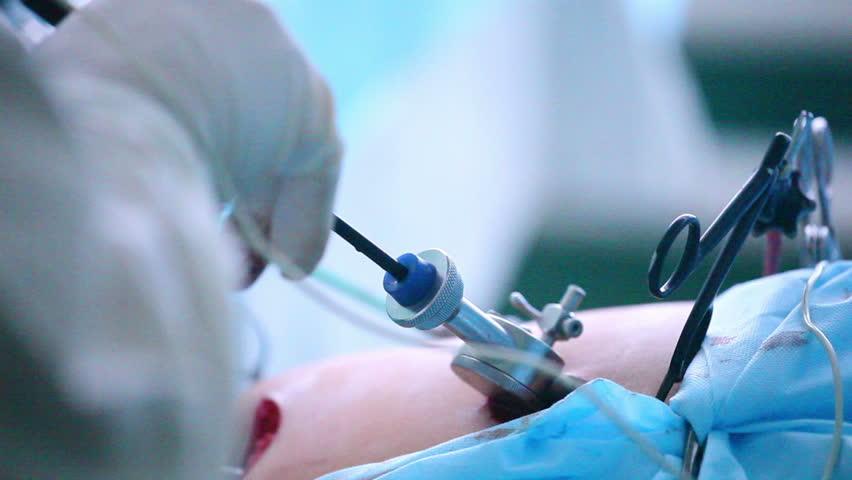
Laparoscopy, also called keyhole surgery, uses a thin camera and specialised instruments inserted through small incisions in the abdomen. When appropriate, this approach may help diagnose or treat certain conditions affecting the uterus, ovaries, fallopian tubes and surrounding pelvic organs.
The right surgical approach is individualised. Your gynaecologist will assess whether laparoscopic surgery, medication, observation, another minimally invasive procedure or open surgery is most appropriate for your condition.
LAPAROSCOPIC
What Is Laparoscopic Gynecological Surgery?
Laparoscopic gynecology surgery in Ahilyanagar refers to gynaecological procedures performed using a laparoscope and specialised surgical instruments through small abdominal incisions.
A laparoscope is a thin, lighted instrument with a camera that allows the surgeon to view the pelvic organs on a monitor. Additional instruments may be inserted through other small incisions to perform the required procedure.
Laparoscopy may be used for diagnosis, treatment or both. The specific procedure depends on the condition being treated and the surgeon’s assessment.
Compared with some open surgical procedures, laparoscopy may offer smaller incisions, less postoperative pain and a shorter recovery period. However, these benefits vary by procedure and patient, and laparoscopic surgery is not the best choice for every condition.
Conditions That May Be Treated With Laparoscopic Surgery
A gynaecologist may recommend laparoscopy for selected conditions involving the reproductive organs. The decision depends on the severity of symptoms, investigation results, previous treatments and the patient’s preferences.
1. Ovarian cysts
Ovarian cysts are fluid-filled sacs that develop in or on an ovary. Many cysts resolve without surgery, while others may require further assessment or treatment because of their size, appearance, persistence or symptoms.
When surgery is appropriate, laparoscopic ovarian cyst removal may be considered. The surgeon aims to treat the cyst while preserving healthy ovarian tissue whenever possible and clinically appropriate.
2. Endometriosis
Endometriosis occurs when tissue similar to the lining of the uterus grows outside the uterus. It may be associated with pelvic pain, painful periods and difficulty conceiving.
In selected cases, laparoscopy can help diagnose endometriosis and allow the surgeon to remove or treat affected tissue. Treatment planning depends on the extent of the disease, symptoms, fertility goals and other available options.
3. Uterine fibroids
Fibroids are growths that develop in or around the uterus. Some cause heavy menstrual bleeding, pelvic pressure, pain or fertility-related concerns, while others do not require treatment.
Depending on the number, size and location of the fibroids, a surgeon may consider laparoscopic myomectomy to remove selected fibroids while retaining the uterus. Other treatments may be more appropriate in some cases.
4. Ectopic pregnancy
An ectopic pregnancy occurs when a pregnancy develops outside the uterine cavity, most commonly in a fallopian tube. It can become a medical emergency.
Laparoscopic surgery may be used in selected cases, depending on the patient’s condition and the findings. Severe abdominal pain, fainting or heavy bleeding in early pregnancy requires urgent medical assessment.
5. Pelvic adhesions
Adhesions are bands of scar tissue that can develop between pelvic organs, sometimes after surgery, infection or endometriosis. In selected cases, laparoscopy may be used to assess and treat adhesions.
The benefits and risks must be considered carefully because adhesions can recur after surgery, and not every adhesion requires treatment.