


Treatments < Urology < Bladder Cancer
Robotic Bladder Cancer Surgery in Ahmednagar: Treatment Options and Recovery
BLADDER CANCER
A diagnosis of bladder cancer can raise questions about treatment, surgery, recovery and long-term health. Understanding the available options can help patients and their families prepare for consultations and make informed decisions with their medical team.
Bladder cancer develops when abnormal cells grow in the urinary bladder. Treatment depends on the type of cancer, its stage and grade, whether it has invaded the bladder muscle, whether it has spread, and the patient’s overall health.
At Satalkar Lotus Superspeciality Hospital, patients can enquire about urological evaluation and bladder cancer care with Dr. Harshwardhan Tanwar. If you are looking for robotic bladder cancer surgery in Ahmednagar, a specialist consultation can help determine the appropriate treatment approach and whether robotic surgery is suitable and available for your particular condition.
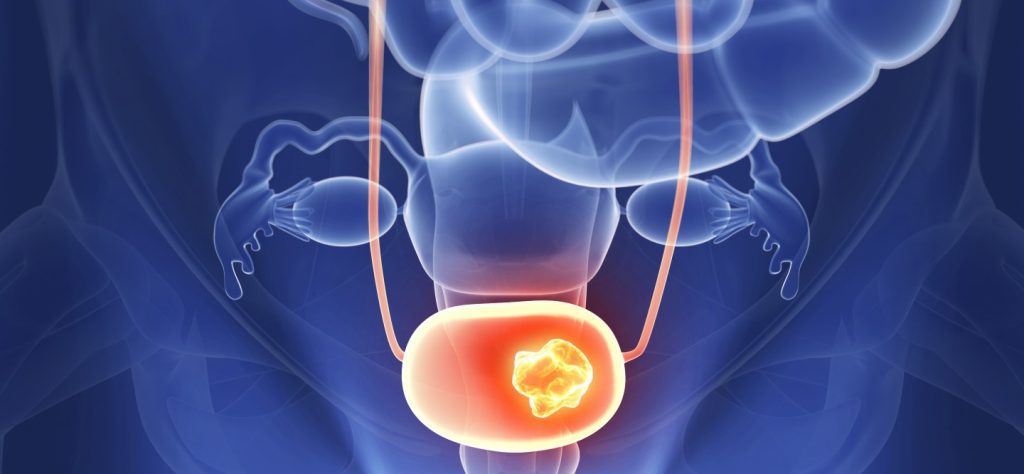
BLADDER CANCER
What Is Bladder Cancer?
The urinary bladder is a hollow organ that stores urine before it leaves the body. Bladder cancer occurs when cells in the bladder grow abnormally and form a tumour.
The most common type is urothelial carcinoma, which develops in the cells lining the urinary tract. Other, less common types can also occur.
Bladder cancer is broadly classified according to how deeply the tumour has grown.
- Non-muscle-invasive bladder cancer: The tumour has not grown into the bladder’s muscle layer.
- Muscle-invasive bladder cancer: The cancer has grown into the muscle layer of the bladder.
- Advanced or metastatic bladder cancer: The disease has spread beyond the bladder to nearby tissues, lymph nodes or distant organs.
These categories help guide treatment, but the final plan also depends on tumour grade, number, size, location, previous treatment and other clinical findings.
Symptoms of Bladder Cancer
Bladder cancer can cause urinary symptoms, although some people have few symptoms in the early stages.
Common symptoms include:
- Blood in the urine, which may appear pink, red or brown.
- Blood clots in the urine.
- Burning or discomfort while passing urine.
- Frequent urination.
- A sudden or persistent urge to urinate.
- Difficulty passing urine.
- Pain in the lower abdomen or pelvic area.
Blood in the urine is an important warning sign and should be medically evaluated, even if it occurs only once or is not accompanied by pain. These symptoms can also have non-cancerous causes, such as infection or stones, so testing is needed to identify the underlying problem.
Seek urgent medical attention if you cannot pass urine, have heavy bleeding with clots or experience severe pain.
Causes and Risk Factors for Bladder Cancer
There is not always one identifiable cause of bladder cancer. Several factors may increase the risk.
Smoking
Smoking is an important risk factor for bladder cancer. Harmful chemicals can enter the bloodstream and be filtered into the urine, exposing the bladder lining to substances that may contribute to cancer development.
Workplace Chemical Exposure
Certain occupational exposures, including some chemicals used in industrial manufacturing, may increase bladder cancer risk. People with relevant work histories should discuss these exposures with their doctor.
Increasing Age
Bladder cancer is more common in older adults, although it can occur at younger ages.
Previous Cancer Treatment
Certain previous treatments, including some forms of radiation therapy or particular chemotherapy medicines, may increase risk in selected circumstances.
Chronic Irritation and Other Factors
Long-term urinary tract irritation and certain medical conditions may be associated with specific bladder cancer risks. However, having a risk factor does not mean a person will develop cancer, and bladder cancer can occur in people without recognised risk factors.
How Is Bladder Cancer Diagnosed?
Accurate diagnosis is essential before deciding whether surgery, including robotic bladder cancer surgery, is appropriate.
1. Medical History and Examination
The doctor reviews symptoms, smoking history, previous medical conditions, medicines and relevant occupational exposures. Additional tests are selected according to the patient’s condition.
2. Urine Tests
Urine testing may help identify blood or other abnormalities. In selected cases, urine cytology may be used to look for abnormal cancer cells. A normal urine test alone cannot rule out bladder cancer.
3. Cystoscopy
Cystoscopy allows the doctor to examine the inside of the bladder using a thin instrument with a camera. If a suspicious area is identified, tissue sampling or removal may be recommended.
4. Transurethral Resection of Bladder Tumour (TURBT)
TURBT is a procedure used to remove visible bladder tumours through the urethra, without an external incision. The removed tissue is examined under a microscope to establish the diagnosis and assess how deeply the tumour has grown.
TURBT is a key part of diagnosing and treating many non-muscle-invasive bladder cancers. It may also provide important staging information in other cases.
5. Imaging and Staging
Depending on the findings, the medical team may recommend imaging such as CT or MRI scans to assess the urinary tract and determine whether the cancer may have spread.
The results of the biopsy, imaging and other investigations help the treatment team determine the stage and grade of the cancer.
Bladder Cancer Treatment Options
There is no single treatment suitable for every patient. The medical team considers the cancer’s stage, grade, location, recurrence risk and the patient’s overall health when developing a treatment plan.
1. TURBT for Selected Early-Stage Tumours
For many non-muscle-invasive bladder cancers, TURBT is the initial treatment. Depending on the tumour’s risk category and pathology results, additional treatment may be recommended.
This can include medication delivered directly into the bladder, such as intravesical chemotherapy or immunotherapy with bacillus Calmette-Guérin (BCG), when appropriate.
Regular surveillance is important because bladder cancer can recur after treatment.
2. Intravesical Treatment and Follow-Up
Intravesical treatment involves placing medication directly into the bladder through a catheter. It may be recommended for selected patients after tumour removal to reduce the risk of recurrence or progression.
The choice of medication and treatment schedule depends on the cancer’s characteristics and the patient’s clinical situation.
Follow-up may include repeat cystoscopy, urine tests and additional investigations as advised by the treating team.
3. Radical Cystectomy
Radical cystectomy is surgery to remove the bladder and is an important treatment option for selected muscle-invasive or high-risk bladder cancers.
The operation may also involve removal of nearby lymph nodes and, depending on the patient’s anatomy and cancer characteristics, certain surrounding organs or tissues.
After the bladder is removed, a new way for urine to leave the body must be created. Options may include an ileal conduit, a continent urinary reservoir or, for carefully selected patients, a neobladder. The most appropriate option depends on the individual’s health, cancer location and treatment goals.
Radical cystectomy is a major operation. The medical team should explain the potential benefits, risks, alternatives, recovery process and effects on daily life before treatment.
4. Robotic Bladder Cancer Surgery
Robotic-assisted bladder cancer surgery uses a surgical robotic system controlled by the surgeon through a console. The technology allows the surgeon to manipulate instruments through small incisions and view the operating area using a magnified camera.
For selected patients, robotic assistance may be used for procedures such as radical cystectomy and associated reconstruction. The exact procedure depends on the cancer’s stage, the surgeon’s assessment and the patient’s suitability.
Potential advantages may include smaller incisions and reduced blood loss in some circumstances. However, robotic surgery is not automatically better for every patient, does not eliminate surgical risks and does not guarantee a faster recovery or better cancer outcome.
The suitability of robotic bladder cancer surgery in Ahmednagar should be confirmed during consultation. Ask whether the required robotic procedure is available at the treating centre, who will perform it, what alternatives are appropriate and what the expected costs and recovery requirements are.
5. Chemotherapy, Immunotherapy and Radiation Therapy
Some patients may need treatment in addition to surgery, or may be considered for a bladder-preserving approach.
Depending on the cancer stage and clinical circumstances, options can include:
- Chemotherapy before or after surgery.
- Immunotherapy or other systemic treatments for selected cancers.
- Radiation therapy combined with chemotherapy as part of a bladder-preserving treatment plan.
- Other specialist treatments for advanced or metastatic disease.
These treatments require assessment by the appropriate cancer specialists. The recommended approach should be based on the full diagnostic results and an individualised treatment plan.
Which Approach Is Right for You?
The best approach is not determined by technology alone. The cancer’s stage, the complexity of surgery, the surgeon’s experience, the hospital’s capabilities and the patient’s preferences all matter.
Ask your treating team to explain the expected cancer outcomes, complications, recovery, urinary reconstruction options and follow-up for each suitable approach.
Preparation Before Bladder Cancer Surgery
Preparation depends on the type of procedure and the patient’s health. The treating team may recommend:
- Reviewing biopsy, pathology and imaging reports.
- Completing blood and urine tests.
- Assessing kidney function and other medical conditions.
- Reviewing current medicines, including blood thinners and diabetes medication.
- Meeting the anaesthesia team.
- Discussing whether chemotherapy or another treatment is needed before surgery.
- Understanding the proposed operation, possible complications and expected recovery.
- Discussing urinary diversion options if bladder removal is planned.
Do not stop or change prescribed medication without medical advice. Follow the hospital’s instructions regarding fasting, medicines and admission.
Recovery After Bladder Cancer Surgery
Recovery varies according to the type of procedure, the extent of the cancer, the patient’s general health and whether additional treatment is required.
After TURBT, recovery is generally different from recovery after radical cystectomy. Major bladder surgery may require a longer hospital stay, pain management, gradual return to activity and training in the care of a urinary diversion if one is created.
The medical team will provide instructions about:
- Wound care and hygiene.
- Medicines and pain management.
- Activity restrictions and gradual mobilisation.
- Fluid intake and urinary drainage.
- Care of a catheter, stent or urinary diversion, if applicable.
- Follow-up visits and pathology review.
- Further treatment and surveillance.
Contact the medical team promptly if you develop fever, worsening pain, heavy bleeding, difficulty passing urine or problems with a catheter or urinary diversion. Seek urgent care for severe symptoms.
Risks and Possible Complications
The risks of bladder cancer treatment depend on the procedure and the patient’s health.
Possible complications of surgery may include bleeding, infection, blood clots, injury to nearby structures, anaesthesia-related complications and the need for additional treatment.
After radical cystectomy, other potential issues can include changes in urinary function, complications related to urinary reconstruction, bowel-related problems and effects on sexual function or fertility. The likelihood of these complications varies.
Robotic assistance does not eliminate these risks. Before consenting to surgery, discuss the expected benefits, possible complications, alternative treatments and the likely effect on your quality of life with the treating team.
Bladder Cancer Surgery Cost in Ahmednagar
The cost of bladder cancer surgery in Ahmednagar varies considerably according to the type of cancer, the procedure required and the patient’s treatment needs.
Factors that may affect the total cost include:
- Diagnostic tests, biopsy and imaging.
- The type and complexity of surgery.
- Whether robotic assistance is used.
- Anaesthesia and hospital stay.
- Medicines and postoperative care.
- Urinary reconstruction or diversion, if needed.
- Chemotherapy, immunotherapy or radiation therapy, when indicated.
- Follow-up appointments and investigations.
A reliable estimate can be provided only after the clinical team has assessed the diagnosis and proposed treatment. Ask the hospital for an itemised estimate and clarify what is included, what may incur additional charges and whether follow-up care is covered.
Bladder Cancer Care at Satalkar Lotus Hospital
Patients with suspected or confirmed bladder cancer can enquire about a urology consultation with Dr. Harshwardhan Tanwar at Satalkar Lotus Superspeciality Hospital.
The appropriate next step depends on the symptoms, biopsy findings, imaging and cancer stage. A consultation can help patients understand the available treatment pathways and whether referral to a multidisciplinary cancer team is required.
If you are searching for bladder cancer surgery in Ahmednagar or robotic bladder cancer surgery in Ahmednagar, bring your biopsy report, cystoscopy or TURBT findings, imaging reports, medication list and previous treatment records to your appointment.
Book a consultation: Contact Satalkar Lotus Superspeciality Hospital to confirm appointment availability, the bladder cancer procedures currently offered and whether robotic-assisted bladder cancer surgery is available for your case.
Frequently Asked Questions
Treatment depends on the cancer’s stage and grade. Many early-stage tumours are initially treated with TURBT, sometimes followed by medication placed directly into the bladder. Muscle-invasive disease may require radical cystectomy, chemotherapy or a bladder-preserving approach for selected patients.
Robotic-assisted bladder cancer surgery uses a robotic surgical system controlled by a trained surgeon. It may be used for selected operations, including radical cystectomy. Suitability depends on the cancer, the patient’s health and the surgical team’s expertise.
Availability depends on the hospital’s current equipment, surgical team and the specific procedure required. Contact Satalkar Lotus Hospital to confirm whether robotic-assisted bladder cancer surgery is currently offered for your diagnosis.
No. Many patients with non-muscle-invasive bladder cancer are treated with procedures that remove tumours through the urethra while preserving the bladder. Bladder removal may be recommended for selected muscle-invasive or high-risk cases.
Yes. Bladder cancer can recur, particularly after treatment for non-muscle-invasive disease. Regular follow-up and surveillance are important. The schedule depends on the type of cancer and the treatment received.
Recovery depends on the procedure. Recovery after TURBT is generally shorter than after radical cystectomy, which is a major operation. The treating team will provide an individual recovery plan and explain when normal activities can be resumed.
The cost depends on the procedure, hospital stay, robotic equipment, medicines, pathology, reconstruction and any additional cancer treatment. Request a current estimate after your diagnosis and treatment plan have been reviewed.
No. Blood in the urine can have several causes, including infection and urinary stones. However, it should always be medically evaluated because it can be a warning sign of bladder cancer, even when it occurs without pain.
A urologist can evaluate urinary symptoms and coordinate diagnostic procedures such as cystoscopy and TURBT. Depending on the diagnosis, care may also involve a urologic cancer surgeon, medical oncologist, radiation oncologist and other specialists.