


Treatments < Urology < Bladder prolapse
Bladder Prolapse Treatment in Ahilyanagar: Symptoms and Care
Bladder prolapse, medically known as a cystocele, occurs when the supportive tissues between a woman’s bladder and vaginal wall weaken, allowing the bladder to bulge into the vagina. The condition may cause pelvic pressure, a feeling of fullness, urinary leakage, or difficulty emptying the bladder. Some women may have a bladder prolapse without noticeable symptoms.
If you are looking for bladder prolapse treatment in Ahilyanagar, understanding the causes, symptoms, and available treatment options can help you decide when to seek medical advice. Treatment depends on the severity of the prolapse, its effect on daily activities, and your overall health.
At Satalkar Lotus Hospital, contact the hospital to confirm the appropriate specialist and available services for evaluating and managing bladder prolapse.
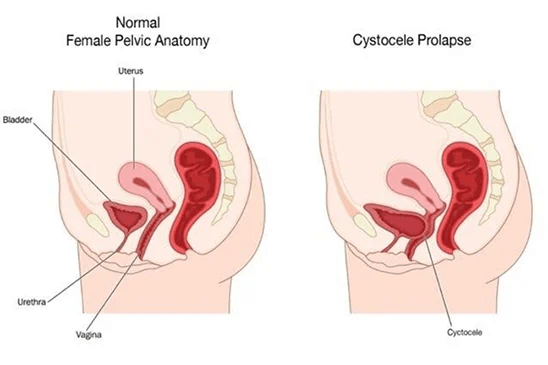
BLADDER PROLAPSE
What Is Prostatitis?
Prostatitis refers to inflammation of the prostate gland. It may be caused by a bacterial infection or occur without a confirmed bacterial cause. The condition can develop suddenly or persist over a longer period.
Prostatitis is generally classified into four categories:
- Acute bacterial prostatitis: A sudden bacterial infection that can cause urinary symptoms, pelvic pain, fever, and chills.
- Chronic bacterial prostatitis: A persistent or recurrent bacterial infection that may cause repeated urinary tract infections and ongoing discomfort.
- Chronic prostatitis/chronic pelvic pain syndrome: Persistent pelvic or urinary discomfort without a confirmed bacterial infection explaining the symptoms.
- Asymptomatic inflammatory prostatitis: Inflammation identified during testing even though the person does not have noticeable symptoms.
Identifying the type of prostatitis is important because the treatment approach differs from one category to another.
Common Symptoms of Bladder Prolapse
Symptoms depend on the extent of the prolapse and may become more noticeable after standing for a long time, lifting heavy objects, or straining.
Common symptoms include:
- A feeling of pressure, heaviness, or fullness in the pelvis.
- A bulge or lump in or around the vaginal opening.
- Difficulty starting urination.
- A feeling that the bladder has not emptied completely.
- Frequent urination or urinary urgency.
- Urinary leakage, particularly during coughing, sneezing, or physical activity.
- Recurrent urinary tract infections in some women.
- Discomfort during sexual activity.
- Symptoms that become worse later in the day or after prolonged standing.
Not every woman experiences all these symptoms. Similar symptoms can occur with other pelvic floor or urinary conditions, so a proper assessment is important.
Seek prompt medical attention if you cannot pass urine, have severe pain, or develop fever with urinary symptoms.
What Causes Bladder Prolapse?
Bladder prolapse develops when the tissues and muscles supporting the pelvic organs become weakened or stretched. Several factors can contribute to this change.
Pregnancy and Vaginal Childbirth
Pregnancy and childbirth can place pressure on the pelvic floor. Vaginal delivery, particularly when accompanied by pelvic floor injury, may increase the risk of pelvic organ prolapse.
Age-Related Changes
Pelvic floor tissues can become weaker with age. Changes associated with menopause may also affect tissue strength and support.
Chronic Constipation
Repeated straining during bowel movements can increase pressure on the pelvic floor and may contribute to prolapse.
Persistent Coughing
A chronic cough can repeatedly increase abdominal pressure. Addressing its underlying cause may help reduce ongoing strain.
Heavy Lifting and Strenuous Activities
Frequent heavy lifting or activities involving repeated straining may aggravate symptoms in some women.
Excess Body Weight
Higher body weight can increase pressure on the pelvic floor. Weight management, when appropriate, may form part of a broader care plan.
Bladder prolapse can develop due to a combination of factors. Having one or more risk factors does not necessarily mean a woman will develop the condition.
How Is Bladder Prolapse Diagnosed?
Diagnosis usually involves reviewing symptoms and performing a pelvic examination. The clinician may assess the position of the bladder and vaginal wall and determine the extent of the prolapse.
Depending on the symptoms, evaluation may include the following:
Medical History
The clinician may ask about childbirth history, pelvic surgery, urinary symptoms, bowel habits, and how the condition affects everyday activities.
Pelvic Examination
A pelvic examination helps assess the vaginal wall and the degree of prolapse. You may be asked to cough or bear down during the examination to make the prolapse easier to assess.
Urine Testing
A urine test may be recommended if there are symptoms suggesting a urinary tract infection or another urinary problem.
Bladder Emptying Assessment
If you have difficulty emptying your bladder, the clinician may measure the amount of urine remaining after urination.
Additional Tests
Further investigations may be recommended when symptoms suggest another condition or when more information is needed before treatment.
Not every patient needs every test. The assessment should be guided by symptoms and clinical findings.
Bladder Prolapse Treatment in Ahilyanagar: What to Expect
If you are seeking cystocele treatment in Ahilyanagar, the first step is an assessment by a clinician experienced in pelvic organ prolapse.
During a consultation, you can discuss:
- The type and severity of the prolapse.
- Urinary symptoms and their effect on daily activities.
- Whether pelvic floor exercises or a pessary may help.
- Whether further tests are needed.
- When surgery may be considered.
- Follow-up care and steps to manage symptoms.
Because bladder prolapse commonly involves the pelvic floor and vaginal wall, care may be provided by a gynecologist or urogynecologist with relevant experience. The appropriate specialist depends on the services available and the patient’s individual condition.
Contact Satalkar Lotus Hospital to confirm which specialist evaluates bladder prolapse and whether consultation or treatment services are available.
Bladder Prolapse Treatment Options
Prolapsed bladder treatment depends on the severity of the condition, the symptoms experienced, and how much they affect daily life. Mild prolapse may not require active treatment if symptoms are minimal. More bothersome symptoms may benefit from non-surgical management or surgery in selected cases.
1. Observation and Regular Follow-Up
Women with mild bladder prolapse and few symptoms may be advised to monitor the condition. Follow-up depends on symptoms and the clinician’s assessment.
If symptoms change, urinary problems develop, or the prolapse begins to affect everyday activities, further evaluation may be needed.
2. Pelvic Floor Muscle Exercises
Pelvic floor muscle exercises, often called Kegel exercises, can help strengthen the muscles supporting the pelvic organs. They may improve symptoms in some women, particularly those with mild prolapse.
A trained pelvic floor physiotherapist or healthcare professional can help ensure the exercises are performed correctly. Exercises should be individualized, especially if there is pelvic pain or difficulty relaxing the pelvic floor muscles.
Pelvic floor exercises may improve symptoms but do not necessarily reverse the anatomical prolapse.
3. Vaginal Pessary
A vaginal pessary is a removable medical device placed inside the vagina to support the pelvic organs. It may be an option for women who want to avoid surgery, are not suitable for surgery, or prefer a non-surgical approach.
The pessary must be appropriately fitted. Follow-up is important to check comfort, vaginal tissue health, and whether the device is providing adequate support.
4. Lifestyle Changes
Some changes may help reduce pressure on the pelvic floor and manage symptoms:
- Avoid repeated heavy lifting when it aggravates symptoms.
- Treat constipation and avoid straining during bowel movements.
- Eat fibre-rich foods and drink adequate fluids, unless medically restricted.
- Seek medical advice for a persistent cough.
- Consider weight management if excess weight is contributing to pelvic pressure.
- Ask a clinician about suitable physical activities and pelvic floor exercises.
These measures may help manage symptoms and reduce strain, but they cannot guarantee that the prolapse will disappear.
5. Bladder Prolapse Surgery
Bladder prolapse surgery may be considered when symptoms are significant, conservative treatment has not provided sufficient relief, or the prolapse substantially affects quality of life.
One surgical approach is anterior vaginal wall repair, also called anterior colporrhaphy. This procedure aims to repair and strengthen the supporting tissue between the bladder and vagina.
The choice of procedure depends on the degree of prolapse, other pelvic floor conditions, previous surgery, general health, and the patient’s preferences. Surgery has potential risks, including bleeding, infection, recurrence, and new or persistent urinary symptoms.
A specialist should explain the expected benefits, risks, alternatives, recovery, and likelihood of recurrence before surgery is considered.
How Can Bladder Prolapse Symptoms Be Managed at Home?
Home measures may help reduce discomfort and prevent additional strain, but they do not replace medical evaluation.
Helpful steps may include:
- Avoiding activities that consistently worsen pelvic pressure.
- Preventing constipation with suitable dietary changes and medical advice when needed.
- Seeking assessment for a persistent cough.
- Following a pelvic floor exercise programme recommended by a qualified professional.
- Maintaining a healthy weight where appropriate.
- Attending follow-up appointments if symptoms persist or progress.
Avoid starting a strenuous exercise programme or using vaginal support devices without appropriate guidance.
Bladder Prolapse Treatment Cost in Ahilyanagar
The cost of bladder prolapse treatment varies according to the severity of the condition and the treatment recommended. Non-surgical management, pessary fitting, diagnostic tests, and surgery involve different expenses.
Factors that may affect the total cost include:
- Consultation and examination charges.
- Diagnostic tests, if required.
- Pelvic floor physiotherapy or pessary fitting.
- The type of surgical procedure, if recommended.
- Hospital stay, anaesthesia, and medication.
- Follow-up visits and postoperative care.
There is no single cost that applies to every patient. Contact the hospital for an estimate after the clinician has assessed the condition and explained the recommended treatment plan.
Frequently Asked Questions
Bladder prolapse, also called cystocele, occurs when the supporting tissues between the bladder and vaginal wall weaken, allowing the bladder to bulge into the vagina.
Early symptoms may include pelvic pressure, vaginal heaviness, urinary leakage, frequent urination, or difficulty emptying the bladder. Some women have no noticeable symptoms.
Yes. Depending on the severity, treatment may include observation, pelvic floor muscle training, a vaginal pessary, and lifestyle changes. Surgery may be considered if symptoms are significant.
Pelvic floor exercises can improve symptoms in some women, especially those with mild prolapse. However, they do not necessarily reverse the anatomical changes. A qualified professional can advise on the appropriate exercise programme.
Surgery may be considered when symptoms significantly affect daily life or non-surgical approaches do not provide adequate relief. The decision depends on the patient’s condition, preferences, and clinical assessment.
The cost depends on the procedure, investigations, hospital stay, anaesthesia, and follow-up care. Contact the hospital for an individualized estimate after the recommended treatment has been established.
Bladder prolapse is commonly evaluated by a gynecologist or urogynecologist with experience in pelvic floor disorders. The appropriate specialist depends on the condition and the services available at the hospital.
Some women with bladder prolapse may have difficulty emptying the bladder completely, which can be associated with recurrent urinary tract infections. Repeated infections or urinary symptoms should be evaluated by a healthcare professional.