


Treatments < Urology < Hormone Test
Hormone Testing in Ahilyanagar: Tests for Periods, PCOS and Fertility
HORMONE TEST
Hormone tests for women in Ahilyanagar can help investigate symptoms such as irregular periods, absent menstruation, acne, unusual hair growth and certain fertility concerns. Hormones regulate several body functions, including the menstrual cycle, ovulation and reproductive health. When symptoms suggest a hormonal problem, the right tests can help a gynecologist identify possible causes and plan further care.
At Satalkar Lotus Superspeciality Hospital, women can enquire about a gynecology consultation with Dr. Mugdha Tanwar to discuss menstrual irregularities, possible PCOS, ovulation concerns and fertility evaluation. The tests recommended will depend on your symptoms, medical history, menstrual cycle and treatment goals.
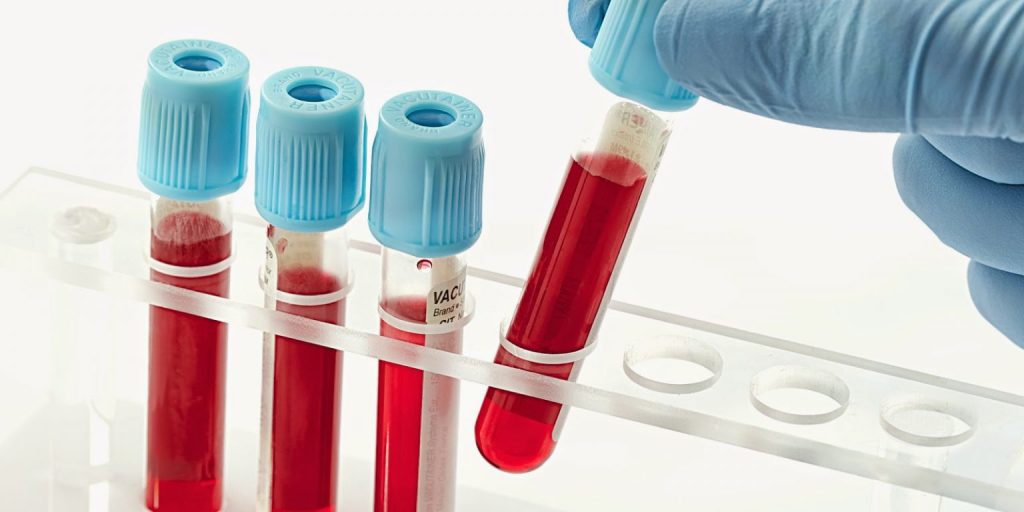
HORMONE TEST
What Are Hormone Tests for Women?
Hormone tests are medical investigations, commonly blood tests, that measure specific hormones involved in reproductive and general health. Depending on the clinical situation, a doctor may recommend tests related to ovulation, thyroid function, prolactin levels or ovarian function.
Hormone testing is not the same for every woman. Irregular periods, difficulty conceiving, absent menstruation and symptoms of excess androgen activity may require different investigations.
A test result must be interpreted alongside symptoms, examination findings, medicines and the timing of the sample. An abnormal result does not always mean that a person has a hormonal disorder, and a normal result does not rule out every possible cause of symptoms.
When Should You Consider Hormone Testing?
A gynecologist may recommend hormone testing if you experience:
- Irregular, infrequent or missed periods.
- Periods that stop unexpectedly.
- Difficulty conceiving or concerns about ovulation.
- Excess facial or body hair, particularly with irregular periods.
- Persistent acne or other symptoms that may suggest excess androgen activity.
- Milky nipple discharge when not breastfeeding.
- Symptoms that may indicate a thyroid disorder.
- Hot flashes or menstrual changes associated with the menopause transition.
- Other symptoms that, after assessment, suggest a possible hormonal cause.
These symptoms can have several explanations. Hormone tests are selected according to the suspected condition rather than ordered as a broad panel without a clinical reason.
Hormone Testing for Irregular Periods
Irregular periods can occur for several reasons, including PCOS, thyroid disorders, changes in weight or energy balance, stress, certain medications, pregnancy and other reproductive health conditions.
The first step is to review your menstrual history and symptoms. Depending on the findings, your gynecologist may recommend pregnancy testing, hormone tests, a pelvic ultrasound or other investigations.
The choice of tests depends on whether periods are infrequent, absent, unusually heavy or otherwise different from your usual pattern. Not every woman with irregular periods needs the same set of hormone tests.
If you have missed periods and pregnancy is possible, a pregnancy test is an important early consideration. Seek medical assessment for persistent menstrual changes rather than trying to correct them with medication or supplements on your own.
Common Hormone Tests for Women
Different hormones provide different information. Your doctor will decide which tests are appropriate for your symptoms and medical history.
1. Follicle-Stimulating Hormone (FSH)
FSH helps regulate the development of ovarian follicles. Testing may be considered when investigating certain menstrual disorders, ovarian function or selected fertility concerns.
The interpretation depends on factors such as age, menstrual cycle timing and other hormone results. FSH is not a standalone test that can determine whether a woman will become pregnant.
2. Luteinising Hormone (LH)
LH plays an important role in ovulation. It may be measured as part of an assessment of irregular or absent periods and suspected ovulatory disorders.
An LH result should be interpreted in context. It cannot, by itself, confirm PCOS or explain every menstrual irregularity.
3. Thyroid-Stimulating Hormone (TSH)
The thyroid gland helps regulate metabolism and other body functions. Thyroid disorders can affect menstrual regularity and reproductive health in some women.
A TSH test may be recommended when symptoms, medical history or fertility concerns suggest a possible thyroid problem. Additional thyroid tests may be needed depending on the result.
4. Prolactin
Prolactin is a hormone involved in breast milk production. Elevated levels can sometimes contribute to irregular or absent periods and fertility problems.
A prolactin test may be appropriate for women with symptoms such as unexpected milk production from the breasts or certain menstrual disturbances. It is not necessary as a routine test for every woman with infertility.
5. Estradiol
Estradiol is a form of oestrogen involved in the menstrual cycle and reproductive function. It may be measured alongside other hormones when investigating selected menstrual or ovarian conditions.
Its interpretation depends on the timing of the test and the clinical question being investigated.
6. Progesterone
Progesterone levels change during the menstrual cycle. In selected circumstances, a blood test can help assess whether ovulation has occurred.
The sample is usually timed according to the expected next period rather than automatically being taken on the same numbered cycle day for every woman. Your doctor or laboratory will advise you on the appropriate timing.
7. Testosterone and Other Androgen Tests
Androgens, including testosterone, may be evaluated when symptoms suggest excess androgen activity, such as increased facial hair, persistent acne or irregular periods.
Depending on the presentation, a clinician may recommend additional tests to investigate other possible causes. These results should be interpreted with symptoms and examination findings.
8. Anti-Müllerian Hormone (AMH)
AMH is sometimes measured as part of an assessment of ovarian reserve, particularly when planning certain fertility treatments.
AMH does not directly measure egg quality and cannot reliably predict whether a woman will conceive naturally. It should not be treated as a general fertility score or ordered without considering what the result would mean for clinical decisions.
When Should You Consider Hormone Testing?
A gynecologist may recommend hormone testing if you experience:
- Irregular, infrequent or missed periods.
- Periods that stop unexpectedly.
- Difficulty conceiving or concerns about ovulation.
- Excess facial or body hair, particularly with irregular periods.
- Persistent acne or other symptoms that may suggest excess androgen activity.
- Milky nipple discharge when not breastfeeding.
- Symptoms that may indicate a thyroid disorder.
- Hot flashes or menstrual changes associated with the menopause transition.
- Other symptoms that, after assessment, suggest a possible hormonal cause.
These symptoms can have several explanations. Hormone tests are selected according to the suspected condition rather than ordered as a broad panel without a clinical reason.
Hormone Testing for Irregular Periods
Irregular periods can occur for several reasons, including PCOS, thyroid disorders, changes in weight or energy balance, stress, certain medications, pregnancy and other reproductive health conditions.
The first step is to review your menstrual history and symptoms. Depending on the findings, your gynecologist may recommend pregnancy testing, hormone tests, a pelvic ultrasound or other investigations.
The choice of tests depends on whether periods are infrequent, absent, unusually heavy or otherwise different from your usual pattern. Not every woman with irregular periods needs the same set of hormone tests.
If you have missed periods and pregnancy is possible, a pregnancy test is an important early consideration. Seek medical assessment for persistent menstrual changes rather than trying to correct them with medication or supplements on your own.
Hormone Tests for PCOS
Polycystic ovary syndrome (PCOS) is a hormonal and metabolic condition that can affect ovulation and menstrual cycles. Symptoms may include irregular periods, increased facial or body hair, acne and difficulty conceiving.
PCOS is not diagnosed using one hormone test alone. A clinician considers the menstrual history, symptoms, examination and relevant investigations, while excluding other conditions that can cause similar symptoms.
Depending on the presentation, tests may include androgen measurements, thyroid testing or prolactin testing. A pelvic ultrasound may be recommended in some cases, but it is not required for every diagnosis.
If PCOS is diagnosed, management may address menstrual regularity, skin or hair symptoms, metabolic health or fertility, depending on the patient’s goals. Hormone test results help guide assessment but do not replace a complete clinical evaluation.
Hormone Testing for Fertility Concerns
Hormone testing may form part of a fertility evaluation when symptoms or history suggest problems with ovulation or ovarian function.
Depending on the clinical findings, a gynecologist may consider tests such as FSH, LH, estradiol, progesterone, TSH or selected androgen tests. The specific tests and timing vary according to the question being investigated.
Fertility evaluation may also involve a review of menstrual patterns, pelvic ultrasound, assessment of the fallopian tubes and evaluation of the male partner. Hormone tests alone cannot identify every cause of difficulty conceiving.
For couples experiencing difficulty becoming pregnant, the appropriate evaluation depends on age, medical history and the duration of trying to conceive. Your doctor can explain which investigations are likely to be useful and how the results may influence treatment decisions.
How to Prepare for a Hormone Blood Test
Preparation depends on which hormone is being measured. Before your appointment or laboratory test:
- Confirm whether the sample needs to be collected on a particular menstrual cycle day.
- Ask whether fasting is required for the specific tests ordered.
- Inform your doctor about hormonal contraception, fertility medicines, thyroid medication, supplements and other regular medicines.
- Tell the clinician if you may be pregnant or are breastfeeding.
- Follow instructions about the time of sample collection, particularly for tests that may vary throughout the day.
- Bring previous reports if you have had similar investigations.
Do not stop prescribed medication or change its dose to influence a test result. Some medicines and hormonal contraceptives can affect hormone measurements, so your doctor needs to know what you are taking.
When Should Hormone Tests Be Done During the Menstrual Cycle?
There is no single best day for every hormone test. Timing depends on the hormone being measured and the reason for testing.
Some investigations may be performed early in the menstrual cycle, while a progesterone test intended to assess ovulation is generally timed in relation to the expected next period. Other tests can be collected at different times when clinically appropriate.
If your periods are irregular or absent, your doctor may recommend a different testing schedule. Follow the specific instructions provided rather than assuming that every test must be performed on day two or day three.
Understanding Your Hormone Test Results
Hormone results should be interpreted using the laboratory’s reference range and the clinical context. Factors such as age, pregnancy, menstrual cycle stage, medication and the testing method can influence results.
An abnormal result may require repeat testing, additional investigations or treatment, depending on the suspected condition. Some results may be within the laboratory’s reference range but still need to be considered alongside symptoms.
Avoid diagnosing yourself based on a single number or comparing your results directly with someone else’s. Your gynecologist can explain what the findings mean and whether any further action is necessary.
Hormone Test Cost in Ahilyanagar
The cost of hormone testing in Ahilyanagar depends on which tests are recommended, the laboratory performing them and whether a consultation or additional investigations are required.
The overall expense may vary according to:
- The number and type of hormone tests.
- Whether thyroid or other blood tests are included.
- The need for a pelvic ultrasound or other investigations.
- The timing or repeat testing required.
- Consultation and follow-up charges.
For a current estimate, contact Satalkar Lotus Superspeciality Hospital and ask which tests are available, whether the sample needs to be collected on a specific day and what the quoted charges include.
Hormone Testing and Gynecology Consultation at Satalkar Lotus Hospital
Women with irregular periods, possible PCOS, ovulation concerns or fertility questions can enquire about a gynecology consultation with Dr. Mugdha Tanwar at Satalkar Lotus Superspeciality Hospital.
During the consultation, the doctor can review your symptoms, menstrual history, medicines and previous reports to determine whether hormone testing is appropriate. The recommended investigations will depend on your individual clinical needs.
If you are looking for hormone tests for women in Ahilyanagar or Ahmednagar, bring your previous laboratory reports, ultrasound findings and medication list to your appointment.
Book a consultation: Contact Satalkar Lotus Superspeciality Hospital to confirm appointment availability, the hormone tests currently offered and any preparation instructions.
Frequently Asked Questions
Hormone tests may help investigate irregular periods, absent menstruation, suspected ovulation disorders, selected PCOS-related symptoms, thyroid concerns and certain fertility problems. The tests depend on the symptoms and clinical assessment.
Depending on the suspected cause, a doctor may recommend tests such as TSH, prolactin, FSH, LH or selected androgen measurements. Pregnancy testing and other investigations may also be appropriate. Not every patient needs all these tests.
No single hormone test can confirm PCOS on its own. Diagnosis usually involves assessment of symptoms, menstrual history and relevant investigations, while excluding other possible conditions.
Hormone tests can provide information about selected aspects of reproductive function, but they cannot guarantee whether or when pregnancy will occur. Fertility assessment may also require evaluation of ovulation, the uterus, fallopian tubes and male reproductive factors.
Not every hormone test requires fasting. Follow the instructions provided for the specific tests ordered and ask the doctor or laboratory if you are unsure.
Yes. Some tests can be performed when cycles are irregular or absent, but the timing and interpretation depend on the clinical question. Your doctor will advise you on the appropriate schedule.
Yes. Hormonal contraceptives and certain medicines can affect hormone levels or the interpretation of results. Tell your doctor what you take, but do not stop medication without medical advice.
Accordion
The cost depends on the number and type of tests, the laboratory and whether a consultation or additional investigations are needed. Contact the hospital for current charges.
Content
Consider a consultation if you have persistent irregular or absent periods, new or worsening excess facial hair, unexplained milk discharge from the breasts, or fertility concerns. Severe pain, very heavy bleeding, fainting or other acute symptoms may require urgent assessment.